Make Life Better Stay Healthy Program
Staying healthy isn’t just about taking supplements or eating the right food. A lot of what keeps me going has to do with building everyday habits that handle my mind and body together. That’s pretty much what the “Make Life Better Stay Healthy” program aims to do, pulling together the small things, like how I move and what I put on my plate, to create real changes I can feel over time.
What the Make Life Better Stay Healthy Program Is All About
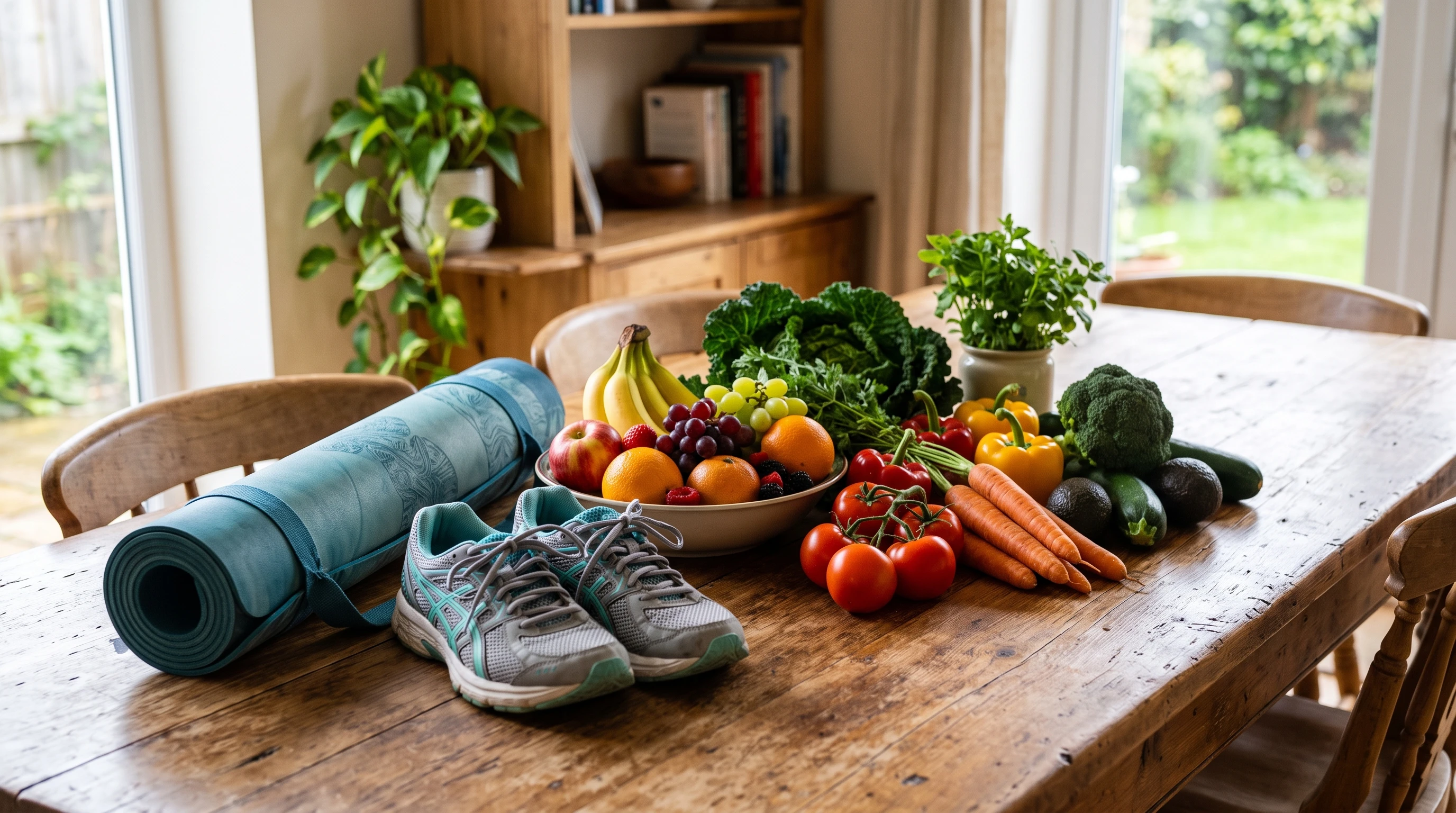
This kind of wellness program isn’t just a onesizefitsall routine or a trendy meal plan. What I appreciate about it is that it combines different parts of healthy living, like physical activity, nutrition, stress management, and even sleep, into simple steps I can work into my schedule. Instead of rushing into intense routines or dropping loads of money on health products, it’s more about learning how to balance things in a way that feels sustainable for the long run.
Wellness programs like this are getting more attention lately because they take a practical approach. Most blend triedandtrue strategies with new ideas from fitness, nutrition, and mental health science. Studies keep showing that programs built on small lifestyle tweaks have better longterm results than any magic bullet approach. I’ve noticed that even health professionals mention how sticking to manageable changes can really give a boost to my overall outlook and health.
Why a Holistic Approach Matters
The “Make Life Better Stay Healthy” method is an example of a whole lifestyle switch up. Not just taking a vitamin and hoping for the best. I’ve learned that tying regular exercise in with things like meal planning, mindfulness, and positive sleep habits makes everything easier to keep up. For example, when I feel better after a workout, I’m way more likely to crave healthy food, not fast food. And if I eat well and move my body, I sleep better. It all connects.
Health experts from places like the Centers for Disease Control and Prevention keep reminding people that true wellness isn’t only about one area. Combining exercise, good nutrition, adequate rest, and emotional wellbeing leads to a stronger body and clearer mind. This kind of program helps tie those together in a tidy, approachable way. Even making a small change—like stretching each morning or swapping for whole grains—has let me spot a boost in my daily energy and mood.
Getting Started: My StepbyStep Routine
You don’t need fancy trackers or expensive gym equipment to get going. Here’s how I structure my daily routine for this program:
- Set Small, Specific Goals: Maybe it’s drinking an extra glass of water, walking ten minutes more, or swapping a processed snack with a fruit.
- Mix Up My Movement: I aim for about 30 minutes a day, but it doesn’t have to be all at once. Some days it’s a walk; other days it could be a workout video, stretching, yoga, or even dancing around my kitchen.
- Eat for Energy and Balance: I focus more on including veggies, lean protein, and whole grains than obsessing over strict diets. Planning a few meals ahead keeps me on track.
- Check In with My Mental Health: Even just five minutes spent journaling, deep breathing, or stepping outside for some sunshine helps reduce stress and keeps me grounded.
- Prioritize Rest: Turning off screens early and sticking to a regular bedtime seems basic, but it makes a real difference for my mood and motivation.
This gradual way of layering in habits has helped me avoid feeling overwhelmed. Over time, these little actions turn into second nature. Some weeks are easier than others, but the trick is not beating myself up when things aren’t perfect—just moving gently back toward small steps makes all the difference.
What to Consider Before Starting a Wellness Program
Picking the right approach is super important if you want to keep up healthy changes. I usually ask myself these questions before jumping in:
- Is It Realistic for My Schedule? What fits easily into my day? If I’m not a morning person, I won’t force early workouts.
- Does the Program Feel Achievable? Anything that requires extreme changes overnight isn’t likely to last.
- What Do I Actually Enjoy? I try to add activities and foods that I genuinely like so things don’t feel like a punishment.
- Is There Support Available? Sometimes it helps to have checkins with friends or a group for encouragement.
- Are There Any Health Issues? If I have any conditions, talking to my doctor before making changes is a smart move.
Thinking through these details has saved me lots of frustration and helped keep things moving in a positive direction. I’ve realized that a personalized approach matters and that being honest with myself about what I can and want to do is a big key to real progress. A plan that fits me well is always easier to stick to.
Mixing Physical Activity and Health Products
One thing that stands out is how the best results come when exercise and health products support each other, not replace one another. Supplements only really help me when I’m already giving my body what it needs, good food, hydration, and regular movement.
For example, adding a vitamin D supplement makes sense if I’m not in the sun much, but it works a lot better if I’m also stretching, walking, and spending time outdoors when I can. No powder, pill, or shake works magic without the other pieces in place. The same goes for other commonly used products—they are just a helping hand, not a replacement for real habits like staying active and eating balanced meals.
The Role of Nutrition
Nutrition is a big deal in staying healthy, but it’s all about balance. Fad diets can get in the way of real progress. The focus should be on eating more whole foods—fruits, veggies, lean proteins, healthy fats, and grains—so my body can have the energy and nutrients it needs to power through workouts, workdays, and everything else.
I try not to demonize any foods or create huge restrictions. Instead, it’s about knowing what helps me feel good and being honest about what doesn’t. If I want sustainable weight management and better energy, balance is key. A registered dietitian is always worth checking out if you want a personalized plan or just a bit more guidance. There are also many free guides online and recipe resources to check out if you’re just starting to mix in some variety.
Common Challenges and How I Get Past Them
It’s totally normal to feel stuck, bored, or even lose motivation after a few weeks of any program. Here’s how I deal with common hurdles:
- Finding Time: If things get busy, breaking up activities into smaller pieces (like two 15minute walks) makes movement easier to fit in.
- Sticking with Changes: I write down little wins in a notebook or set reminders until habits stick.
- Bumping Into Obstacles: If bad weather keeps me inside, I have a backup plan (like a quick stretch or yoga routine on YouTube).
- Plateau Effect: If I stop seeing progress, I change things up, try a new recipe, swap activities, or set a different goal.
- Staying Positive: I choose compassion over criticism if I miss a day or indulge. Resetting and going again the next day works better than feeling guilty.
These make a big difference when life throws curveballs or my initial motivation fades away. Learning how to spot these tricky spots and having tools ready (like a favorite quick meal, a motivational playlist, or even a short phone call with a supportive friend) can help keep the positive momentum.
Cool Features of the Program Worth Noting
Here are some features in wellness plans like “Make Life Better Stay Healthy” that stand out for me:
- Customizable Activities: Things can be tweaked for all fitness levels and interests.
- Practical Meal Plans: No fancy ingredients or tough cooking skills required.
- BuiltIn Mental Health Practices: Mindfulness, journaling tips, and breathing exercises make up a regular part of the plan.
- Resource Library: Includes recipe ideas, short workout videos, and motivational guides.
Those little extras make it easier to start, stick with, and personalize the program. Even small apps and online communities can offer new ideas and encouragement along the ride. Getting into a program with these goodies is like having a toolkit you can open whenever you need a boost.
Frequently Asked Questions
Here are a few questions people usually ask when trying out a holistic health program for the first time:
Q: Can I do this program if I have a busy work schedule?
A: Definitely. The program is flexible enough to fit in short bursts of activity and meal prep, even on packed days. They add up, even if they don’t happen all at once.
Q: Do I need to buy a lot of health supplements?
A: Most people don’t need a ton of supplements if they’re eating a balanced diet. Only consider them if your doctor or dietitian suggests something specific. Sometimes, a regular multivitamin or a bit of extra vitamin D in winter can come in handy, but let a professional help guide your choices.
Q: What if I hate going to the gym?
A: No worries; exercise can look like anything you enjoy, walking, yard work, dancing, or even playing with your dog. The key is to stay moving in a way that feels fun, not forced.
Q: Is this program okay for beginners?
A: For sure. It’s got loads of activities and resources for all experience levels, and you can always go at your own pace. Don’t be shy about asking questions or looking for support if you’re new. Lots of participants start with little movement or healthy eating, and there’s no shame in building up slowly.
Wrapping Up
The “Make Life Better Stay Healthy” program is about making small changes that add up. By weaving together enjoyable movement, simple nutrition, and doable mental health practices, I find myself feeling better without the stress of drastic changes. This kind of approach feels approachable, positive, and, most importantly, something I can stick to for the long run. Ahead, I’m looking forward to seeing even more small wins add up over time and sharing the ride with others who want to join in.
I’m with you on the idea that health gets more traction when it’s built around repeatable habits instead of chasing one product or a perfect routine. The part that lands best for me is the focus on movement, food, sleep, and stress working together, because that usually creates more lasting momentum than trying to “fix” wellness from one angle.
In my opinion, this kind of balanced approach feels far more realistic for everyday life, especially for people juggling work, family, and all the usual chaos. I also think it helps to remember that support can come from different places, like medical guidance, mental health tools, community, or time in nature, so people can shape a healthy routine that actually fits their life. Thanks for the tips – I have already thought of a couple of small things that would be easy to change and test out.
Thanks for the comment as we get older we need to think about our health.
I really appreciate how this program emphasizes the balance between movement, nutrition, and supplements. From my own experience, I’ve found that exercise feels more effective when I’m fueling my body with wholesome foods, and supplements only really make a difference when they’re supporting an already healthy foundation. It’s like each piece reinforces the other; staying active boosts my energy, eating well keeps me strong, and the right supplements fill in the gaps when needed.
This holistic approach makes the idea of long‑term health feel much more sustainable, and I love that the program encourages small, realistic steps rather than quick fixes. It’s a great reminder that true wellness is about harmony, not extremes.
I completely agree with your take that supplements are just a helping hand rather than a replacement for real daily habits, because I have definitely fallen into the trap of thinking a quick vitamin fix would magically undo a week of poor sleep and skipped workouts.
Your point about how everything connects really resonated with me, especially how moving my body naturally shifts my cravings toward better food instead of forcing myself to stick to a strict diet. I think the most valuable part of this program is the emphasis on self-compassion when life throws a curveball, since beating yourself up over one missed day usually just derails the whole routine.
My favorite takeaway here is to set small specific goals and keep doing them until they become a habit. In order to make changes, you definitely can’t do it all at once, so taking bite sized portions and getting one thing right at a time always works better than trying to change everything at once.