
Holistic Health And Wellness
Holistic health and wellness is something I’ve found to be pretty life-changing. It goes way beyond just eating veggies or going for a run. Instead, it looks at the whole picture, connecting mind, body, and spirit, and how all these pieces show up in daily life. For anyone who’s feeling stressed or just wants to feel better inside and out, taking a holistic approach can make a real difference. Here I’ll break down what holistic wellness means, why it matters, and a bunch of practical ways to fit it into your routine.
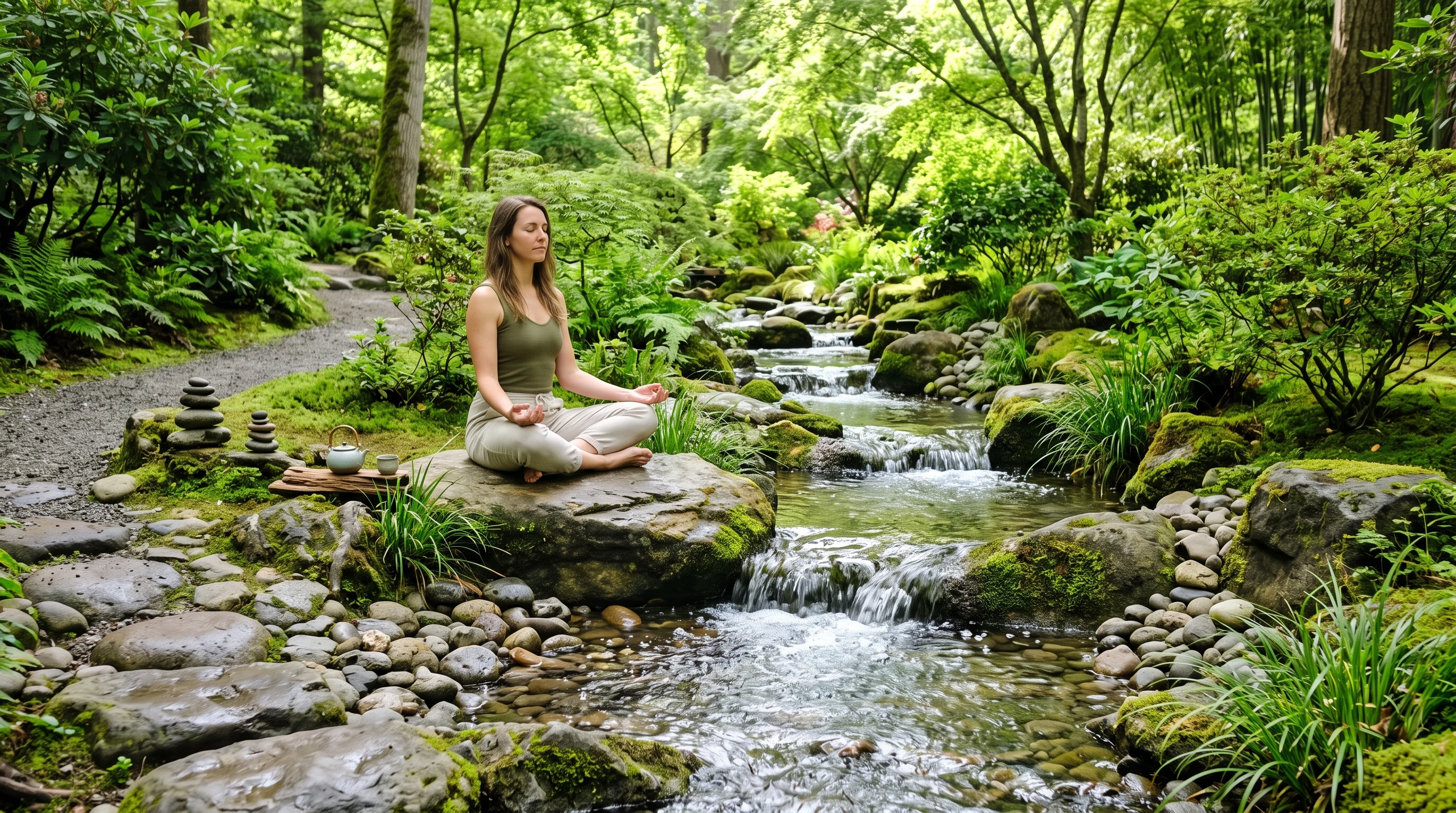
Understanding Holistic Health and Wellness
When I talk about holistic health, I’m talking about seeing yourself as one whole person. Every part is connected, so what’s happening in your mind impacts your body, and whatever’s going on with your health can impact your emotions or even spiritual outlook. While traditional medicine usually zooms in on fixing one symptom, holistic health takes a step back to address the full story—habits, environment, and overall balance.
The roots of holistic health go way back and include influences from ancient practices such as Ayurveda, Traditional Chinese Medicine, and Indigenous healing traditions. These cultures understood that physical, emotional, and environmental factors really can’t be separated. Today, lots of modern approaches mix these traditional philosophies with current science, creating a truly wellrounded way to stay well.
Main Areas of Holistic Wellness
Learning how the main pieces fit together is pretty helpful for building real, lasting wellness. Here’s how I break it down:
- Physical Wellness: Involves sleep, nutrition, movement, and taking care of your health with regular checkups.
- Mental and Emotional Wellness: Deals with managing stress, handling emotions, and staying mentally energized.
- Spiritual Wellness: Has to do with purpose, values, and feeling connected to something bigger (which doesn’t have to be religious).
- Social Wellness: Focuses on relationships, support systems, and a sense of belonging.
Each area supports the others. For example, when I’m sleeping better, I’m less grumpy, and my relationships just feel easier. Making time for meditation or reflection helps me stay calm and not overreact to stressors. If you pay attention, you’ll notice that improvements in one part often have a ripple effect on the others, weaving all these areas together into a balanced, more fulfilling lifestyle.
Simple Ways to Get Started With Holistic Wellness
No need to go all in from day one. I’ve found that starting with small, realistic changes works best. Here are some practical tips to add holistic habits into daily life:
- Eat Intuitively: Instead of following strict diets, I pay attention to what my body asks for. Sometimes I crave greens, other days I need something hearty. Listening to your body helps create a healthier relationship with food.
- Prioritize Sleep: Creating a relaxing bedtime routine, such as turning down screens before bed or using calming scents, goes a long way toward better sleep and better moods.
- Move Your Body Regularly: You don’t need a fancy gym. Stretching in the living room, walking outside, yoga, or dancing along to your favorite playlist all count.
- Try Mindfulness: Mindfulness isn’t only about meditation (though that’s great, too). I also use deep breaths to reset during stressful moments, or take a quiet walk to clear my mind. Even pausing for a moment to notice your surroundings can help keep you present and grounded.
- Connect With Others: Stay in touch with people who lift you up. A quick check in or a coffee catchup can help you feel more grounded, and making social time a priority does wonders for overall well-being.
These are all small changes, but over time, they really can add up to big results. I genuinely feel more resilient and upbeat when I follow even a few of these habits. If things seem overwhelming, just try picking one area to focus on first and build gradually.
What To Consider Before Going “Holistic”
Taking a holistic path isn’t about perfectly balancing everything all the time. In my experience, there are a few things to keep in mind if you want to make the most of this approach:
- Be Prepared For Trial and Error: Figuring out what helps your mind and body can take a bit of experimenting. What works for one person might not do much for another.
- Consult With Professionals: If you have health concerns, it’s a good idea to check in with your doctor or a registered dietitian. Holistic health pairs well with medical care, but it doesn’t replace it.
- Set Realistic Goals: It’s tempting to try too much at once, but lasting change usually comes from slow and steady tweaks, not allornothing makeovers.
- Address the Big Picture: Sometimes the issue isn’t what you’re eating but how you’re feeling at work or with relationships. Taking a step back can offer new perspectives.
Physical SelfCare
Paying attention to basics like hydration, meal planning, and regular exercise creates a solid foundation. I like to keep a reusable water bottle handy and prep snacks in advance for busy days. Simple routines make a big impact on how I feel throughout the week. Even squeezing in home workouts or short walks adds up and helps boost energy.
Mental and Emotional Care
I’ve found that journaling, taking breaks, and exploring creative hobbies all reduce stress. Even five minutes writing down what’s on my mind helps break tough moods. Apps like Headspace or Calm are pretty handy when I want short guided meditations or breathwork. It’s amazing how short periods of creative play, like doodling or playing music, can give your mind the refresh it needs.
Mindful Living and Reflection
Regular quiet time helps keep things in perspective. I check in with myself by asking, “How am I really feeling today?” These honest check ins help catch stress early and make it easier to course correct before problems snowball. Sometimes, it’s just about slowing down for a cup of tea, so you can listen to your thoughts and recalibrate your day.
Advanced Approaches to Holistic Wellness
Once you’re comfortable with the basics, there are lots of other ways to take your wellness habits up a notch. Here are some ideas I like to explore when I’m looking for extra self-care or personal growth:
Energy Balancing: Practices like acupuncture, reiki, or qigong focus on unblocking energy flow in the body. There isn’t a lot of mainstream research on every technique yet, but many people swear by the calming or energizing effects. Even if you’re skeptical, experimenting with these practices might introduce you to new ways of relaxing or tuning into yourself.
Herbal Support: Some folks use adaptogenic herbs like ashwagandha or reishi mushrooms. Before jumping in, I always doublecheck with a herbalist or my doctor to make sure nothing clashes with current medications or conditions.
Nature Connection: Spending more time in natural settings, whether it’s gardening, hiking, or even just picnicking in a park, boosts my mood and helps me feel more balanced. Science backs this up—time in green space is linked to lower stress and better immunity (source).
Holistic Coaching or Counseling: There are trained professionals who look at your wellbeing as a whole. Coaches or therapists can help set goals and work through stuck spots, supporting you beyond just illness or symptoms. If you’re stuck spinning your wheels, this kind of support might make all the difference.
Common Questions About Holistic Health and Wellness
Plenty of people new to holistic wellness have questions. Here’s what I get asked most:
Question: Do I need to cut out all “bad” foods to be healthy?
Answer: Not at all. It’s about balance, not perfection. A treat every now and then totally fits within a holistic lifestyle. Actually, labeling foods as “bad” can create its own stress. Focusing instead on how different foods make you feel is usually much more productive and positive in the long run.
Question: What if I’m not spiritual? Can I still practice holistic wellness?
Answer: Definitely! While some people find meaning in spiritual practices, holistic wellness can also be about personal growth, reflection, and emotional health. The main point is building habits that make you feel connected, whether that’s to a community, a cause, or your own sense of purpose. There’s room for everyone and every outlook.
Question: Can holistic health approaches replace medications or conventional treatments?
Answer: Holistic practices are a great complement to conventional medicine. However, don’t skip prescribed treatments without talking to your healthcare provider. Combining both can lead to a more wellrounded care plan and better results.
RealWorld Impact of Holistic Wellness
I’ve seen firsthand how taking care of the whole self can lead to more happiness and adaptability. People who take a holistic approach often say they have more energy, less anxiety, and even better physical health markers by tuning in regularly to their needs. Even workplaces and schools are now seeing the benefits of programs that address stress, movement, nutrition, and connection together.
- Workplace Wellness: Companies that care about holistic health often see reduced sick days and higher morale among employees.
- Family Wellbeing: Getting everyone involved in simple habits like after dinner walks or a family stretch session helps build lasting routines and closer bonds.
- Community Involvement: Holistic wellness programs are now showing up at community centers, focusing on all areas of health, not just physical exercise.
Building a holistic wellness routine takes patience, reflection, and some trial and error. What I appreciate most is knowing that no single setback derails everything. There’s always another way to feel better by looking at the full picture and making changes one step at a time.
The real benefits of holistic health pop up when these habits become a natural part of your daily rhythm. Bit by bit, life just feels lighter and more meaningful. That’s something I’m really grateful for, and I hope you’ll track down your own version of balance and wellness along the way.